Transfar Zhilian Co., Ltd.
​How to Add Cocamide MEA Flakes to Shampoo Formulations

​How to Add Cocamide MEA Flakes to Shampoo Formulations

Table of Content [Hide]

    Creating a high-quality shampoo requires more than selecting an effective cleansing surfactant. Modern consumers expect rich foam, smooth texture, stable viscosity, and a pleasant washing experience. Cocamide MEA Flakes have long been used as an effective foam booster and viscosity enhancer in shampoo formulations, helping manufacturers improve product performance while maintaining formulation stability.

    Whether developing sulfate-based or sulfate-free shampoos, understanding how to properly incorporate Cocamide MEA Flakes into the formulation process is essential for achieving consistent production quality. This article explains their functions, recommended addition methods, and practical formulation considerations.


    How to Add Cocamide MEA Flakes to Shampoo Formulations


    What Are Cocamide MEA Flakes?

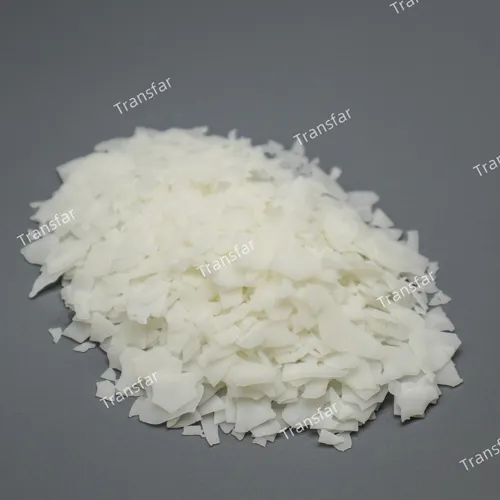
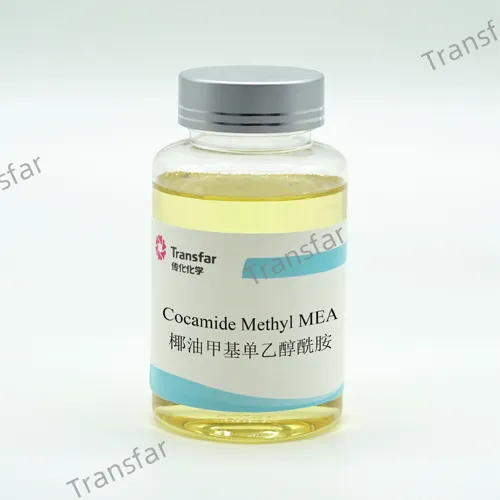
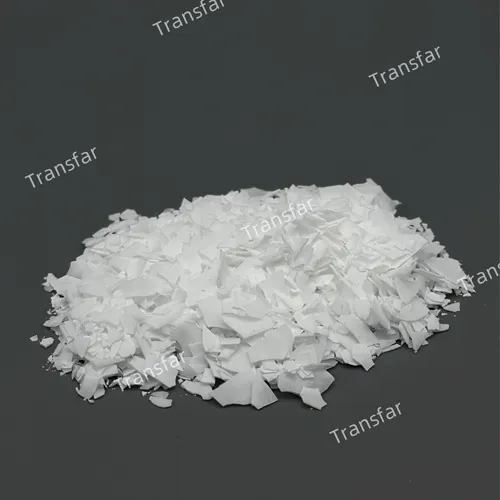
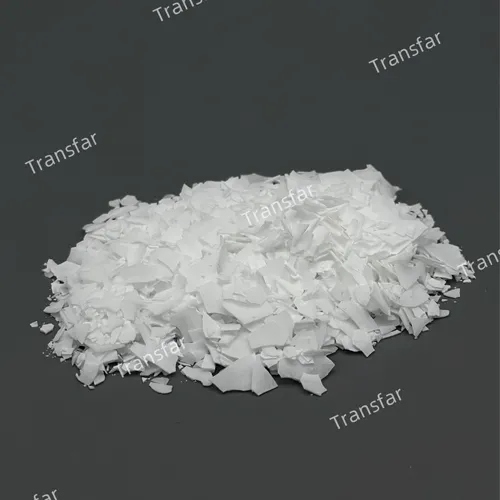
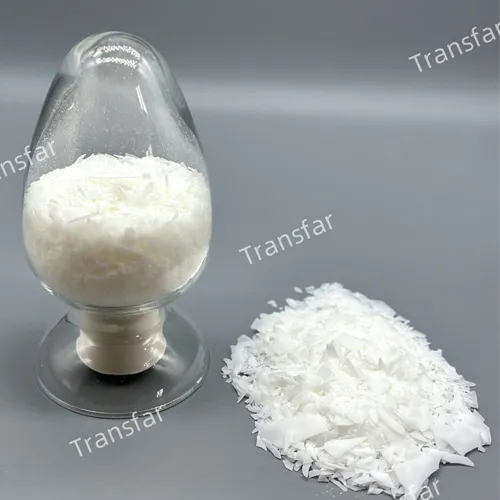
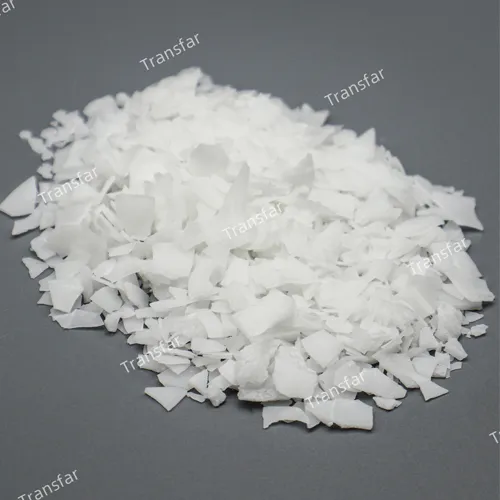
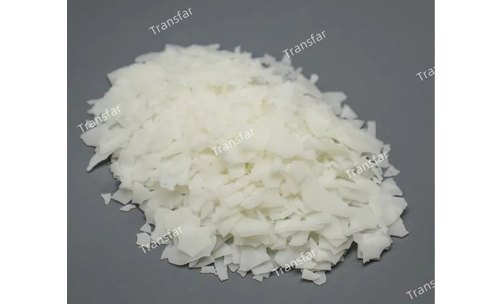
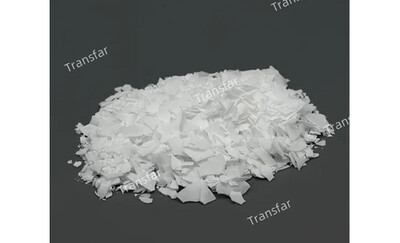
    Cocamide MEA Flakes are nonionic surfactant additives produced from coconut fatty acids and monoethanolamine. They are commonly used in personal care products to improve foam quality, increase viscosity, stabilize formulations, and enhance the sensory experience of shampoos and body washes.

    Compared with liquid foam boosters, Cocamide MEA Flakes offer convenient storage, good processing stability, and excellent thickening performance, making them a popular choice for both large-scale manufacturers and formulation laboratories.

    Manufacturers seeking reliable viscosity modifiers often choose Cocamide MEA Flakes because they provide multiple formulation benefits in a single ingredient.


    Functions of Cocamide MEA in Shampoo

    Cocamide MEA performs several important roles within shampoo formulations.

    • Enhances foam volume and foam stability.

    • Improves product viscosity.

    • Creates a richer and creamier texture.

    • Improves product appearance.

    • Supports formulation stability during storage.

    • Reduces the amount of salt required for thickening.

    These characteristics help formulators create shampoos that deliver a premium user experience while maintaining manufacturing efficiency.


    How to Add Cocamide MEA Flakes Correctly

    Proper processing is important because Cocamide MEA is supplied in flake form and requires complete dissolution before use.

    A typical manufacturing process includes the following steps:

    • Heat purified water or the surfactant base to approximately 60–70°C.

    • Slowly add Cocamide MEA Flakes while maintaining continuous mixing.

    • Allow sufficient time for the flakes to dissolve completely.

    • Add primary surfactants and other ingredients according to the formulation sequence.

    • Cool the batch gradually before adding heat-sensitive ingredients such as fragrances or preservatives.

    • Adjust final viscosity and pH as required.

    Ensuring complete dissolution helps prevent undissolved particles while improving product consistency throughout production.


    Combining Cocamide MEA with Other Surfactants

    Cocamide MEA is rarely used as the primary cleansing ingredient. Instead, it is commonly combined with anionic and amphoteric surfactants to maximize overall shampoo performance.

    For example, pairing Cocamide MEA with betaine surfactants can improve foam stability, reduce irritation, and create a smoother after-wash feel. This combination is frequently used in premium shampoos, children's shampoos, and daily cleansing products.

    Many sulfate-free formulations also combine Cocamide MEA with plant-derived surfactants to balance mildness and cleansing efficiency.


    Formulation Tips for Better Performance

    To obtain the best results when using Cocamide MEA Flakes, formulators should consider several practical recommendations:

    • Always dissolve the flakes completely before cooling.

    • Avoid adding flakes directly into cold formulations.

    • Maintain adequate mixing throughout production.

    • Monitor pH after all surfactants have been incorporated.

    • Optimize viscosity through both salt adjustment and Cocamide MEA dosage.

    These practices help improve production efficiency while reducing formulation variability between manufacturing batches.


    Why Cocamide MEA Remains Popular in Modern Shampoo Development

    Although new multifunctional surfactants continue to enter the market, Cocamide MEA remains widely used because it delivers reliable thickening and foam enhancement at a competitive cost. It works well alongside modern nonionic surfactants such as alkyl polyglucoside surfactants, allowing formulators to create shampoos that combine rich foam, excellent cleansing performance, and improved mildness.

    Its versatility makes it suitable for conventional shampoos, sulfate-free products, pet shampoos, body washes, and various liquid cleansing formulations.


    FAQ

    At what temperature should Cocamide MEA Flakes be added?

    They are typically dissolved at approximately 60–70°C to ensure complete melting and uniform incorporation into the formulation.

    Can Cocamide MEA improve shampoo viscosity?

    Yes. It is widely used as a viscosity enhancer and often reduces the amount of salt required for thickening.

    Is Cocamide MEA suitable for sulfate-free shampoos?

    Yes. It can be combined with sulfate-free surfactants to improve foam quality and product texture.

    Why is complete dissolution important?

    Proper dissolution prevents undissolved flakes, improves batch consistency, and helps achieve a smooth finished product.

    Conclusion

    Cocamide MEA Flakes remain an important multifunctional ingredient in shampoo manufacturing because they improve foam performance, increase viscosity, enhance formulation stability, and create a richer cleansing experience. By following the correct addition procedure and combining Cocamide MEA with compatible surfactants, manufacturers can develop high-quality shampoos that meet today's consumer expectations for performance, appearance, and sensory appeal while maintaining efficient production processes.


    Dr. Geng
    Dr. Geng

    Dr. Geng is a technical writer specializing in the fields of chemical engineering and surfactants, with 10 years of experience in industry research and content creation. He focuses on the niche area of surfactants and excels at translating complex technical principles into accessible content. His articles are both professional and easy to understand, helping readers efficiently acquire specialized knowledge.

    References


    Recommended Transfar Surfactant Products

    Related News of Transfar Surfactant Products

    We use cookies to offer you a better browsing experience, analyze site traffic and personalize content. Part of the tracking is necessary to ensure SEO effectiveness,
    By using this site, you agree to our use of cookies. Visit our cookie policy to learn more.
    Reject Accept