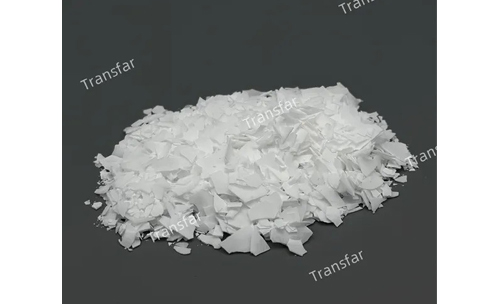
Specification of APG1214 Lauryl Glucoside (CAS 110615-47-9)
Item | Specification | Test Method |
Appearance (25℃) | Colorless to light yellow viscous liquid | Visualization |
Color, Hazen | ≤100 | GB/T 3143 |
Solid content, % | ≥50.0 | GB/T 19464 |
pH (20%, 15% IPA, 25℃) | ≥7.0 | GB/T 6368 |
Sulfated ash, % | ≤3.0 | GB/T 19464 |
Free alcohol, % | ≤1.0 | GB/T 19464 |
Viscosity (mPa.s, 40℃) | 1500-4000 | GB/T 15357 |
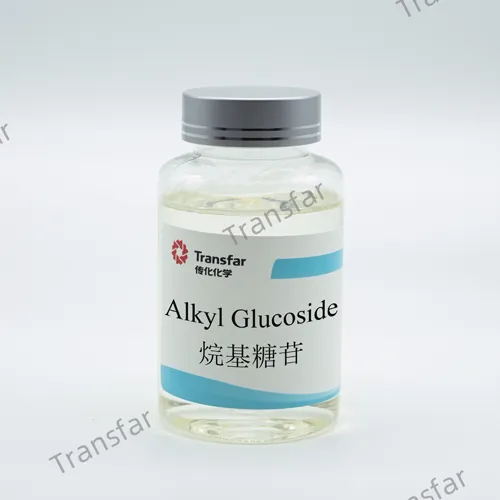
Application of Alkyl Glucoside APG1214
Hair care: Shampoo and other rinse-off hair-cleansing formulations.
Personal cleansing: Facial cleanser, body wash, hand cleanser and liquid soap.
Cosmetics: Selected rinse-off formulations requiring a C12-C14 nonionic co-surfactant.
Home care evaluation: Dishwashing, laundry and hard-surface cleaning systems after formulation and destination-market review.
Recommended Dosage: /
How to Select, Formulate and Purchase APG1214 Lauryl Glucoside
C12-C14 Grade Positioning: APG1214 is the longest-chain grade in Transfar's current APG0810, APG0814 and APG1214 product group. It can be evaluated when formulators need a different balance of detergency, emulsification, foam texture and viscosity support.
Compatibility: Within Transfar's alkyl glucoside surfactants range, APG1214 may be blended with anionic, amphoteric and other nonionic ingredients. Test salt response, viscosity, clarity, preservative compatibility and finished-product performance before scale-up.
APG Grade Selection: The apg 0810 grade uses C8-C10 chains and is specified at ≥200 mPa·s at 20°C. APG0814 covers C8-C14 and is specified at ≥1000 mPa·s at 25°C. APG1214 uses C12-C14 chains and is specified at 1500-4000 mPa·s at 40°C. Because the viscosity test temperatures differ, the values should not be compared as direct like-for-like measurements.
Technical Background: The alkyl polyglucoside apg article can answer broader informational searches, while this product page should remain focused on grade-specific specifications, files, selection criteria and purchasing.
Document Control and Claims: The page currently links to APG0814 documents. Replace them with APG1214-specific TDS and SDS before publishing safety, biodegradability, renewable-origin, mildness or destination-market compliance claims. Do not use APG0814 hazard or composition data as evidence for APG1214.
Bulk Purchasing Support: Request the latest APG1214 TDS, SDS and batch COA before qualification. Confirm packaging configuration, MOQ, sample availability, lead time, Incoterms and destination-market documents with Transfar. Do not publish a fixed package weight or lead time until confirmed.
CTA: Send your target application, required quantity, destination market and document or sample requirements to receive an APG1214 quotation and technical package.
APG1214 Lauryl Glucoside FAQs
What is APG1214, and is it the same as Lauryl Glucoside?
APG1214 is Transfar's C12-C14 alkyl polyglucoside grade. Its INCI Name is Lauryl Glucoside and its listed CAS number is 110615-47-9. Because industrial alkyl glucosides are oligomeric mixtures with chain-length distributions, confirm the INCI, CAS, chain range, TDS and batch COA before replacing another glucoside grade.
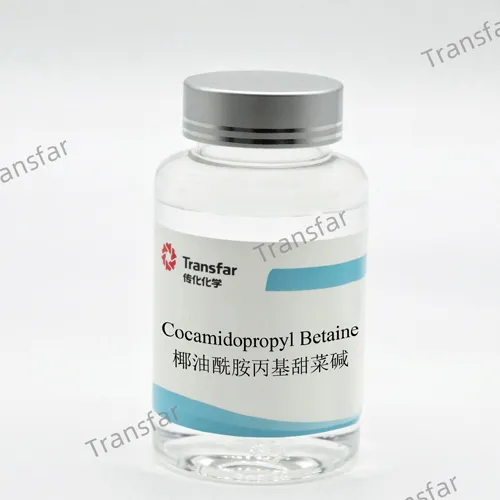
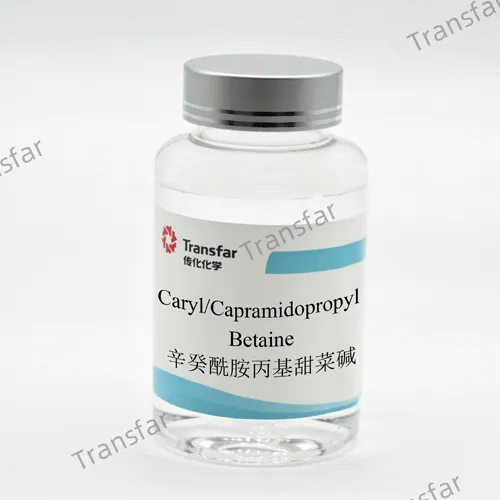
Can APG1214 Lauryl Glucoside be combined with Cocamidopropyl Betaine?
Lauryl Glucoside and Cocamidopropyl Betaine can be evaluated together in mixed surfactant systems to adjust cleansing, foam, viscosity and formulation mildness. There is no universal mixing ratio. The final balance should be established through testing for salt response, clarity, pH, viscosity, preservative compatibility and finished-product safety.
What is the difference between APG0810, APG0814 and APG1214?
The main difference is alkyl-chain distribution: APG0810 uses C8-C10, APG0814 uses C8-C14 and APG1214 uses C12-C14. Transfar also tests viscosity at different temperatures for each grade, so the published viscosity values are not directly comparable. Select the grade through application-specific testing for foam, detergency, thickening, clarity and processing.
What affects the APG1214 Lauryl Glucoside price for bulk orders?
The APG1214 price depends on solid content and batch specification, order quantity, packaging, sample and document requirements, destination market, Incoterms, freight conditions and current raw-material costs. For an accurate quotation, provide the target application, required quantity, delivery country, packaging preference and whether a sample, TDS, SDS or batch COA is needed.
Find Other Betaine Surfactants by CAS Number
CAS NO: 68515-73-1
CAS NO: 141464-42-8


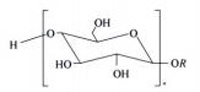 R=C12-C14