Transfar Zhilian Co., Ltd.

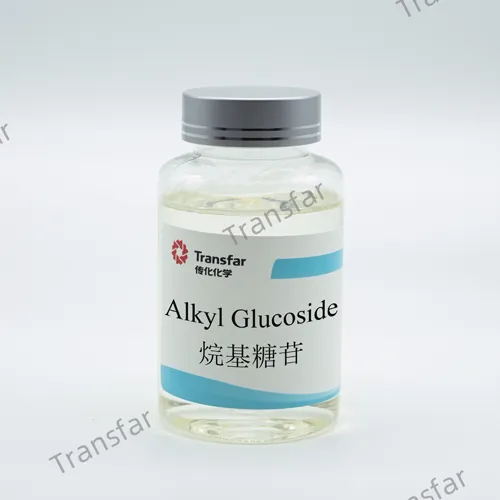
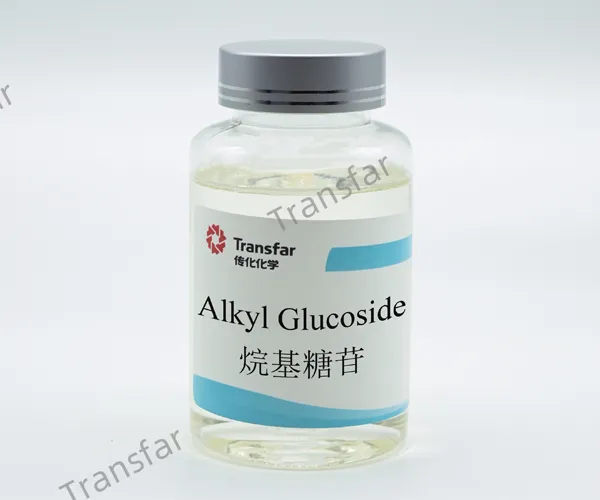
Alkyl Glucoside APG0810

INCI Name: Caprylyl/Capryl Glucoside

CAS Number: 68515-73-1

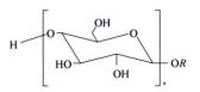
Molecular Formula:

Alkyl Glucoside APG0810   R=C8-C10

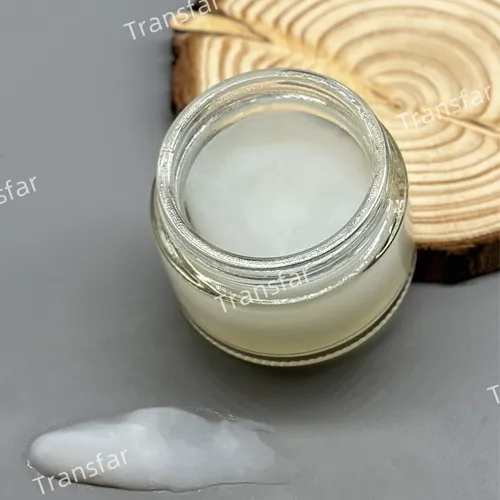
Description:APG0810 Alkyl Glucoside, CAS No. 68515-73-1, is a nonionic alkyl polyglucoside surfactant with the INCI Name Caprylyl/Capryl Glucoside. Transfar's TDS identifies a C8-C10 alkyl chain and 50.0-51.0% solid content. The product is supplied as a colorless to light yellow viscous liquid with good water compatibility, surface activity and foam performance.

Transfar manufactures and supplies APG0810 for bulk purchasing and export inquiries. Typical applications include shampoo, facial cleanser, hand cleanser, cosmetics, household cleaning formulations, textile auxiliaries, pesticide auxiliaries and selected oilfield foaming systems. TDS, SDS, sample and batch-document support can be requested for formulation evaluation and supplier qualification.


Specification of APG0810 Alkyl Glucoside (CAS 68515-73-1)


Item

Specification

Test Method

Appearance (25℃)

Colorless to light yellow viscous liquid

Visualization

Color, Hazen

≤100

GB/T 3143

Solid content, %

50.0-51.0

GB/T 19464

pH (20%, 15% IPA, 25℃)

≥7.0

GB/T 6368

Sulfated ash, %

≤3.0

GB/T 19464

Free alcohol, %

≤1.0

GB/T 19464

Viscosity, (mPa.s, 20℃)

≥200

GB/T 15357


Applications of APG0810 Caprylyl/Capryl Glucoside


  • Shampoo, facial cleanser, body wash, hand cleanser and other rinse-off cleansing systems.

  • Home care: Dishwashing liquid, hard-surface cleaner and other water-based detergent systems.

  • Industrial applications: Textile auxiliaries, pesticide auxiliaries and selected oilfield foaming formulations.


Recommended Dosage: /


How to Select, Formulate and Purchase APG0810 Alkyl Glucoside

Performance: APG0810 is a C8-C10 nonionic surfactant that supports wetting, detergency and foam development in compatible formulations. Final performance must be verified in the complete system.


Compatibility: Within Transfar's alkyl glucoside surfactants range, APG0810 can be blended with anionic, amphoteric and other nonionic ingredients. Test salt response, viscosity, clarity and preservative compatibility before scale-up.


Grade Selection: APG0810 uses C8-C10 chains, while APG0814 covers C8-C14. The longer-chain apg 1214 grade may provide a different balance of hydrophobicity, detergency and thickening. Select by target application and formulation testing.


Technical Background: The alkyl polyglucoside apg article can answer broader informational questions, while this product page should remain focused on specifications, documents and purchasing.


Safety: The current SDS classifies the concentrated raw material as causing serious eye damage. Use gloves and eye or face protection and consult the latest SDS. Mildness claims should refer only to properly formulated and tested finished products.


Purchasing: Request the latest TDS, SDS and batch COA. Confirm packaging, MOQ, sample availability, lead time, Incoterms and destination-market documents with Transfar before ordering.


CTA: Send your application, quantity, destination market and document or sample requirements to receive an APG0810 quotation and technical package.


APG0810 Alkyl Glucoside FAQs

What is APG0810, and is it the same as Caprylyl/Capryl Glucoside?

APG0810 is a C8-C10 nonionic alkyl polyglucoside surfactant. Transfar uses the INCI Name Caprylyl/Capryl Glucoside and CAS No. 68515-73-1. The material is an oligomeric mixture rather than one single pure molecule, so related market names such as decyl/octyl glucoside or decyl glucoside may not always describe an identical chain distribution. Confirm the INCI, CAS, TDS and batch COA before substitution.


What is APG0810 used for in shampoo and facial cleansers?

In shampoo and facial cleansers, APG0810 can be used as a nonionic primary or co-surfactant to support cleansing, wetting, foam and formulation mildness in compatible systems. Transfar's current TDS does not publish one universal dosage, so the final level should be established through testing for foam, viscosity, clarity, pH, preservative compatibility and finished-product safety.


What is the difference between APG0810, APG0814 and APG1214?

The main difference is alkyl-chain distribution. APG0810 uses C8-C10 chains, APG0814 uses C8-C14 chains and APG1214 uses C12-C14 chains. These differences can affect water compatibility, foam, detergency, viscosity and formulation behavior. Select the grade through application-specific testing rather than assuming one grade is universally better.


What affects the APG0810 Alkyl Glucoside price for bulk orders?

The APG0810 price depends on solid content and batch specification, order quantity, packaging, sample and document requirements, destination market, Incoterms, freight conditions and current raw-material costs. For an accurate quotation, provide the target application, required quantity, delivery country, packaging preference and whether a sample, TDS, SDS or batch COA is needed.


Find Other Betaine Surfactants by CAS Number

CAS NO: 141464-42-8

CAS NO: 110615-47-9

Contact with Transfar
Contact Information
Your Inquiries
Products
Application Areas

Contact with Transfar

Contact Information
Your Inquiries
Products
Application Areas
We use cookies to offer you a better browsing experience, analyze site traffic and personalize content. Part of the tracking is necessary to ensure SEO effectiveness,
By using this site, you agree to our use of cookies. Visit our cookie policy to learn more.
Reject Accept