Transfar Zhilian Co., Ltd.

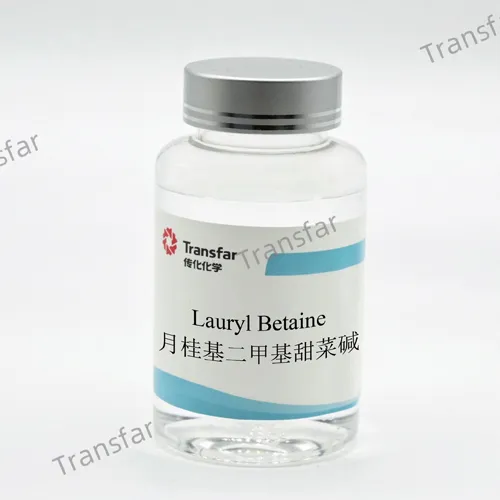
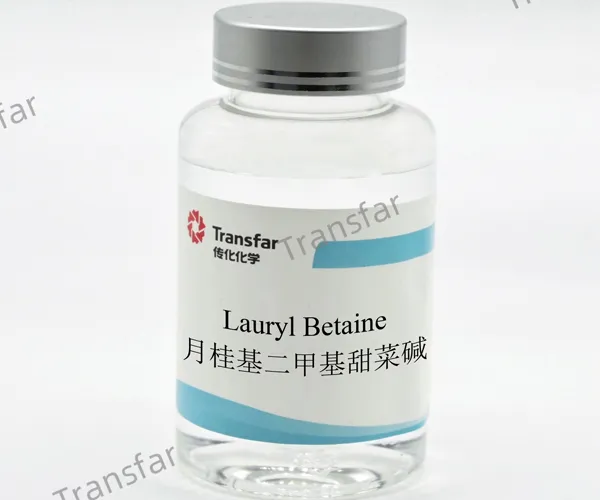
Lauryl Betaine BS-12

INCI Name: Lauryl Betaine

CAS Number: 683-10-3

Molecular Formula: RN+(CH3)2CH2COO-R=Lauryl

Description: Lauryl Betaine BS-12, CAS No. 683-10-3, is a mild alkyl betaine amphoteric surfactant with the INCI Name Lauryl Betaine. It is supplied as a colorless to light yellow transparent liquid with 28.0-30.0% active content and a pH of 5.0-7.0 in a 5% aqueous solution. BS-12 is suitable for shampoo, facial cleanser, laundry detergent, household cleaning, textile treatment and selected industrial formulations.

Transfar manufactures and supplies BS-12 for bulk purchasing and export inquiries. The product provides low irritation to skin and mucous membranes, good hard-water tolerance, antistatic performance, softness, biodegradability, and stability under acidic and alkaline conditions. It can support foam stability, cleansing performance and formulation mildness. TDS, SDS and batch documentation are available upon request.


Specification of BS-12 Lauryl Betaine (CAS 683-10-3)


Item

Specification

Test Method

Appearance (25℃)

Colorless to light yellow transparent liquid

Visualization

Color, Hazen

≤100

GB/T 3143

pH (5% aq. Solution, 25℃)

5.0-7.0

GB/T 6368

Active content, %

28.0-30.0

QB/T 2344

Sodium chloride, %

≤7.5

QB/T 2344

Free amine, %

≤0.5

QB/T 2344


Applications and Recommended Dosage of BS-12 Lauryl Betaine


  • Personal care: Shampoo, facial cleanser and other rinse-off cleansing formulations.

  • Home care: Laundry detergent, household detergent and disinfection detergent.

  • Textile applications: Fiber and fabric softener, antistatic agent and calcium soap dispersant.

  • Industrial applications: Gel emulsifier, rabbit wool finishing agent, rubber processing and fire-extinguishing foam formulations.

Recommended Dosage: 1%- 10%


Why Choose Transfar BS-12 Lauryl Betaine?

Defined BS-12 Specification: Transfar BS-12 is supplied with 28.0-30.0% active content, controlled color, pH, sodium chloride and free amine specifications for consistent formulation evaluation.


Mild Alkyl Betaine Performance: Within Transfar's range of betaine surfactants, BS-12 provides low irritation, good hard-water tolerance, antistatic performance and stability across acidic and alkaline conditions. These properties support personal care, detergent, textile and industrial applications.


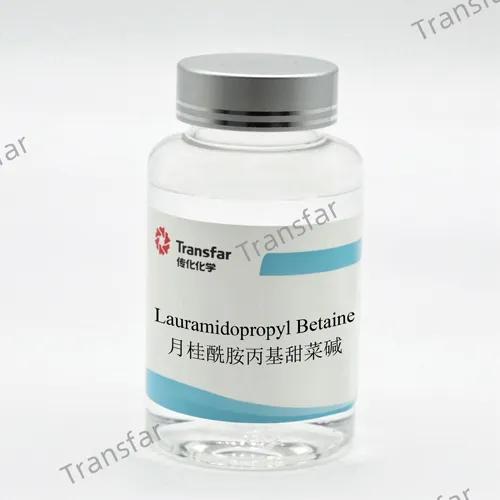
BS-12 vs Amidopropyl Betaines: BS-12 is a direct alkyl betaine based on a lauryl chain, while lab 35 and cab 35 are amidopropyl betaines. Their hydrophobe structure, active content, salt level and viscosity response differ, so the final grade should be selected through testing in the complete formula.


Application Guidance: The recommended dosage is 1-10%. The final addition level depends on the primary surfactant system, target foam, viscosity, clarity, antistatic performance and application requirements.


Bulk Purchasing Information: Packaging type, net weight, MOQ, sample availability, lead time and container loading are not currently shown on the page and should be confirmed with Transfar for each order. TDS, SDS and batch COA can be requested for technical and quality review.


CTA: Send your application, required quantity, destination market and packaging preference to receive a BS-12 quotation, sample arrangement and technical document package.


BS-12 Lauryl Betaine FAQs

What is Lauryl Betaine BS-12?

Lauryl Betaine BS-12 is a mild alkyl betaine amphoteric surfactant with the INCI Name Lauryl Betaine and CAS No. 683-10-3. Transfar BS-12 is supplied as a colorless to light yellow transparent liquid with 28.0-30.0% active content. It provides hard-water tolerance, antistatic performance and stability under acidic and alkaline conditions.


What is Lauryl Betaine used for in shampoo, skin care and detergents?

Lauryl Betaine is used as a mild co-surfactant, foam stabilizer and antistatic ingredient in shampoo, facial cleanser and detergent formulations. BS-12 is also used in laundry and household detergents, fabric softeners, textile treatment, calcium soap dispersion and selected industrial applications. Transfar recommends a dosage of 1-10%, subject to formulation testing.


What is the difference between Lauryl Betaine and Cocamidopropyl Betaine?

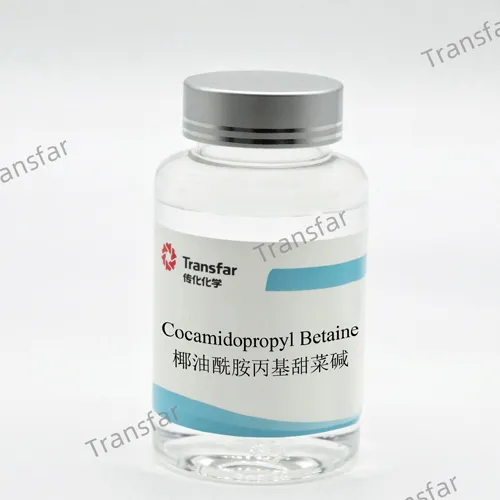
Lauryl Betaine is a direct alkyl betaine based on a lauryl chain, whereas Cocamidopropyl Betaine is an amidopropyl betaine made with a cocoyl fatty-acid distribution. Both are amphoteric surfactants, but their active content, salt level, foam profile and viscosity response can differ. The appropriate grade should be selected according to the complete formulation and verified by testing.


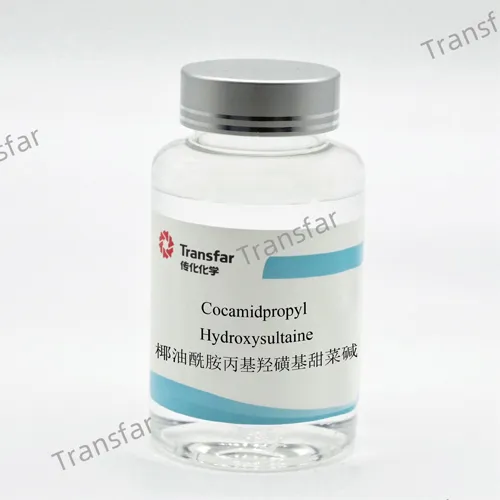
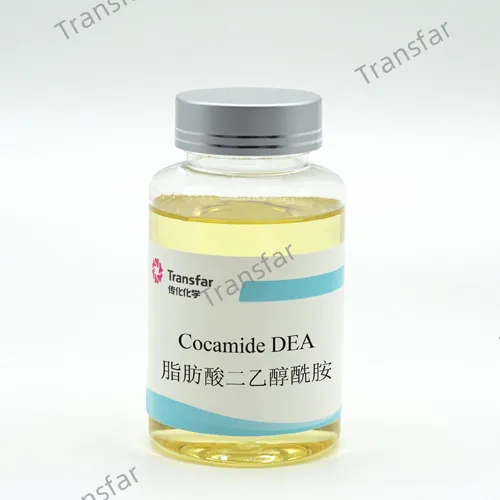
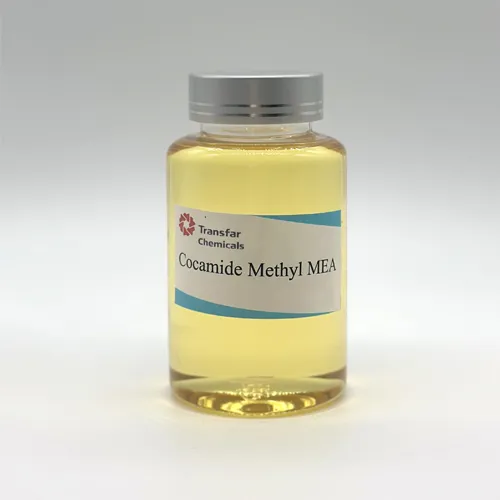
Find Other Betaine Surfactants by CAS Number

CAS NO: 61789-40-0

CAS NO: 86438-78-0

CAS NO: 73772-46-0

CAS NO: 68139-30-0

Contact with Transfar
Contact Information
Your Inquiries
Products
Application Areas

Contact with Transfar

Contact Information
Your Inquiries
Products
Application Areas
We use cookies to offer you a better browsing experience, analyze site traffic and personalize content. Part of the tracking is necessary to ensure SEO effectiveness,
By using this site, you agree to our use of cookies. Visit our cookie policy to learn more.
Reject Accept