Transfar Zhilian Co., Ltd.
Are Your Industrial & Automotive Lubricants Missing the Secret to High Performance?

Are Your Industrial & Automotive Lubricants Missing the Secret to High Performance?

Table of Content [Hide]

    Your machinery deserves better. Synthetic esters could be the missing link in your lubricant’s performance—unlocking unmatched resilience, efficiency, and sustainability for industrial and automotive applications.

    Synthetic esters offer superior thermal stability, oxidation resistance, and biodegradability compared to mineral oils. These properties make them ideal for high-performance industrial and automotive applications requiring extreme temperature resilience, extended service life, and compliance with strict environmental standards.


    If your lubricants thin out, oxidize, or fail under stress—whether from scorching engine bays or freezing arctic conditions—synthetic esters might hold the solution. Here’s how they outperform conventional mineral oil-based options across critical performance metrics.


    Is Thermal Breakdown Limiting Your Lubricant's Performance? How Synthetic Esters Help

    Heat destroys ordinary lubricants. Mineral oils oxidize, thicken, or form harmful deposits when exposed to sustained high temperatures, leading to machinery wear and unplanned downtime. Synthetic esters resist degradation even at elevated temperatures, maintaining their protective properties where others fail.

    Synthetic polyol esters maintain viscosity better than mineral oils when exposed to heat spikes above 200°C. Their unique molecular structure prevents premature breakdown, ensuring a consistent lubricating film even in the most demanding thermal conditions.


    Why Traditional Oils Fail Under Heat

    Most lubricants thin out or oxidize when subjected to extreme conditions. Synthetic esters address this through inherent molecular stability, as shown in the performance comparison below:

    PropertyMineral OilSynthetic Ester
    Flash Point~200°C250–300°C
    Oxidation StabilityLow (prone to sludge formation)High (resists deposit buildup)
    Viscosity Index80–120140–180 (consistent viscosity across temps)


    Studies show ester-based synthetic oils retain 30% more film strength at 150°C (Source: Tribology International, 2022). For high-stress applications like turbochargers, hydraulic systems, and industrial gearboxes, this translates to extended equipment life and reduced maintenance costs.


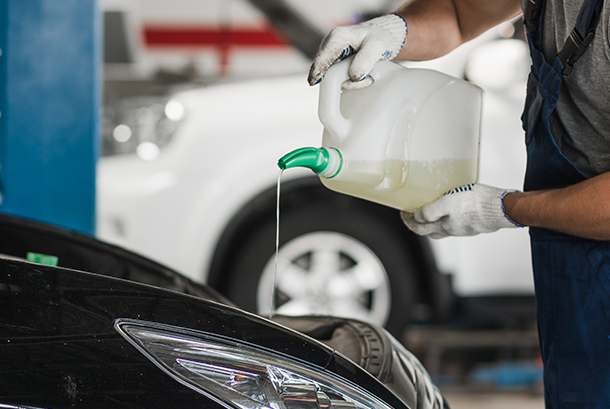
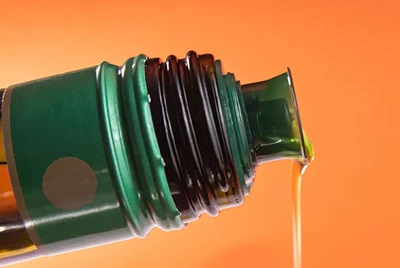
    transfar-surfactant-for-industrial-automotive-lubricants.jpg


    Struggling with Extreme Temperatures? What Makes Synthetic Esters Stand Out

    Arctic cold or desert heat—most lubricants can’t handle both. Mineral oils thicken and lose flow in low temperatures, causing startup wear, while they vaporize and degrade in extreme heat. Synthetic esters thrive across a wide temperature range, delivering reliable performance in the harshest environments.

    Ester base oils flow smoothly at -40°C while resisting vaporization at +300°C. This wide operational range makes them perfect for aerospace, heavy machinery, and automotive fleets operating across seasonal or geographic extremes.


    Comparison Across Temperature Extremes


    1. Low-Temperature Performance

      • Synthetic diester oil pours at -57°C, far below the -20°C limit of conventional mineral oils.

      • Ensures easy cold starts and instant lubrication, eliminating wear caused by delayed oil flow in frigid conditions.


    2. High-Temperature Advantages

      • Reduced volatility minimizes oil consumption, even in high-heat applications like racing engines or industrial furnaces.

      • Forms a durable protective film on metal surfaces, preventing scuffing and seizure under extreme load and temperature.


    Field tests by Machinery Lubrication Magazine showed ester engine oil 5w30 reduced wear particles by 62% in fleet vehicles operating across harsh seasonal extremes—from subzero winters to sweltering summers.


    Are Mineral Oils Holding Your Formulation Back? Why Synthetic Esters Deserve a Closer Look

    Still using outdated mineral oil-based lubricants? You’re missing out on efficiency gains, cost savings, and environmental compliance—benefits that synthetic esters deliver without compromise.

    Synthetic ester lubricants enhance efficiency, reduce maintenance costs, and meet stringent environmental regulations—benefits mineral oils simply can’t match, even with additive packages.


    The Hidden Costs of Mineral Oils

    Mineral oils may seem cheaper upfront, but their short service life, high disposal costs, and environmental impact add up over time. Synthetic esters address these pain points:


    Environmental Impact

    • Most mineral oils are <30% biodegradable, posing risks to soil and water if spilled. Ester oils are >90% biodegradable, aligning with global sustainability standards.

    • Synthetic polyol ester refrigeration lubricants are NSF H1 certified for food-grade applications, making them safe for use in food processing equipment.


    Economic Considerations

    MetricMineral OilEster Oil
    Drain Intervals250–500 hrs1000+ hrs (extends service intervals by 2x)
    Energy SavingsBaselineUp to 8% (reduced friction lowers power consumption)
    Disposal CostsHigh (hazardous waste fees apply)Low (biodegradable, minimal regulatory burden)


    According to Lubrication Engineering Journal, factories switching to synthetic ester base oils reported ROI within 14 months through reduced downtime, longer service intervals, and lower waste disposal costs.


    Conclusion

    Synthetic esters solve the three biggest challenges facing modern lubricants: thermal breakdown, extreme temperature sensitivity, and environmental non-compliance. By upgrading to ester-based formulations, industrial and automotive operators can extend equipment life, cut maintenance costs, and meet sustainability goals—proving that synthetic esters are the secret to high-performance lubrication.


      Dr. Geng
      Dr. Geng

      Dr. Geng is a technical writer specializing in the fields of chemical engineering and surfactants, with 10 years of experience in industry research and content creation. He focuses on the niche area of surfactants and excels at translating complex technical principles into accessible content. His articles are both professional and easy to understand, helping readers efficiently acquire specialized knowledge.

      References


      Recommended Transfar Surfactant Products

      Related News of Transfar Surfactant Products

      We use cookies to offer you a better browsing experience, analyze site traffic and personalize content. Part of the tracking is necessary to ensure SEO effectiveness,
      By using this site, you agree to our use of cookies. Visit our cookie policy to learn more.
      Reject Accept