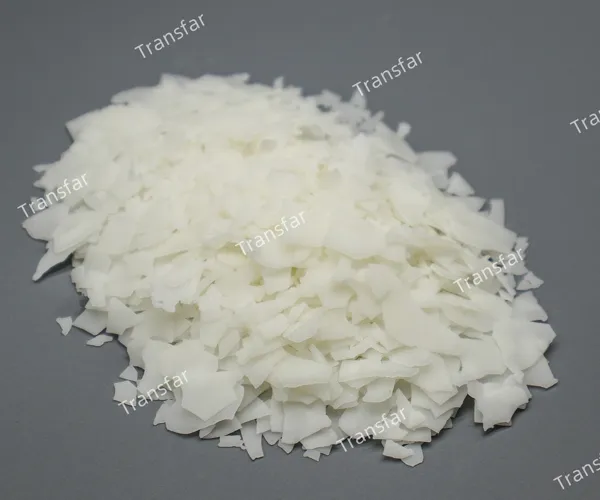
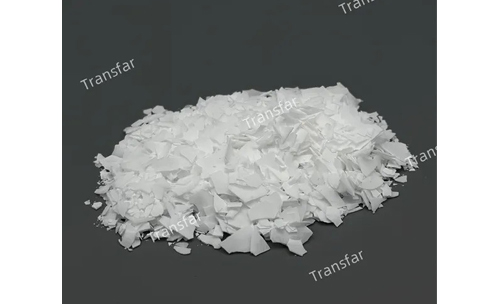
Applications and Recommended Dosage of Glycerin-Free Cocamide MEA
Hair care: Pearlescent shampoo and ammonium-salt shampoo systems requiring viscosity, foam stability and opacifying support.
Personal cleansing: Body wash, bath lotion, hand wash and compatible rinse-off cleansing formulations.
Home care: Liquid detergent, soap and cleaning systems requiring thickening, foam stabilization or emulsification.
Functional roles: Nonionic co-surfactant, viscosity builder, foam stabilizer, emulsifier, cleansing aid and pearlescent support ingredient.
Recommended dosage: Start with 1-3% as a formulation reference. Final dosage, addition temperature and cooling profile must be confirmed through melting, dispersion, viscosity, foam, stability and compatibility testing.
Glycerin-Free vs Glycerin-Containing Cocamide MEA: Grade Selection Guide
When to Choose a Glycerin-Free Grade: Select glycerin-free CMEA when the formulation, processing method or purchasing specification requires tighter control of residual glycerin. The commercial definition must be supported by a grade-specific TDS and batch COA rather than by product-page wording alone.
Glycerin-Free vs Standard CMEA: The standard cocamide mea grade and the glycerin-free grade share the same INCI Name and CAS number, but they should have separate composition limits, technical documents, product names and commercial positioning. Buyers should compare active content, residual glycerin, amine value, melting behavior, color and processing performance.
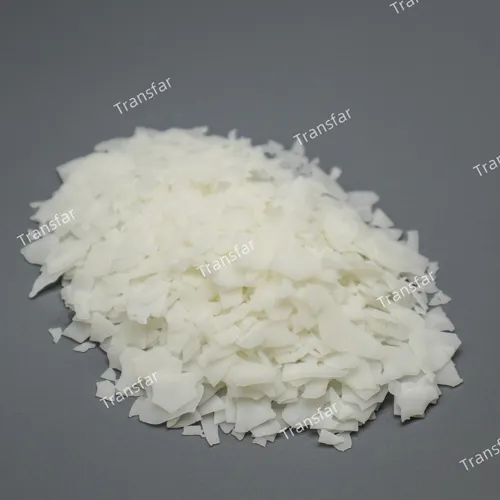
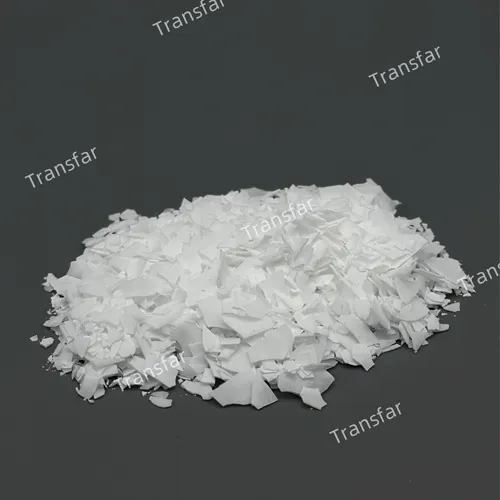
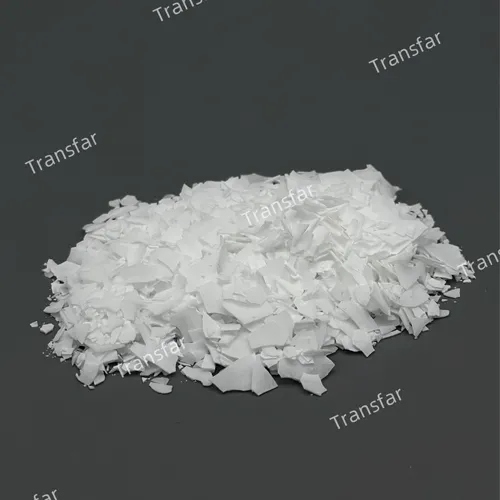
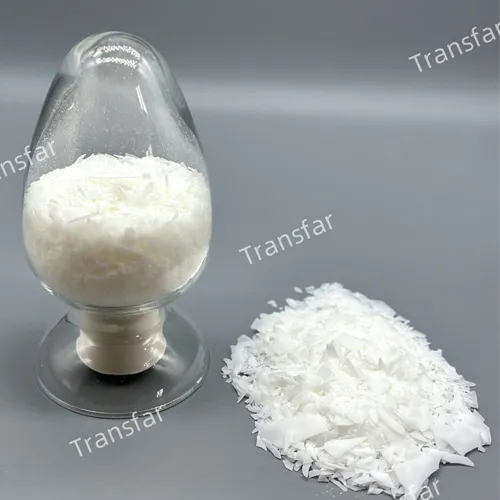
Processing Considerations: CMEA is normally supplied as flakes and requires controlled heating and sufficient mixing for uniform incorporation. Addition temperature, holding time and cooling profile should be validated in the complete formulation to prevent incomplete melting, crystallization or unstable viscosity.
Alternative Alkanolamides: Within Transfar's alkanolamide range, compare cocamide dea when a liquid diethanolamide grade is required, and compare cocamide methyl mea when a different liquid thickening and foam-stabilizing option is preferred. Selection should consider physical form, regulatory requirements, viscosity response, clarity, foam and processing temperature.
Bulk Purchasing Information: Confirm the exact grade, active content, residual glycerin limit, quantity, packaging, MOQ, sample availability, destination market and delivery terms before ordering. Request the grade-specific TDS, SDS and batch COA for supplier qualification.
CTA: Send your target application, required residual glycerin limit, annual demand, destination market and packaging preference to receive a glycerin-free Cocamide MEA quotation, sample plan and technical document package.
Glycerin-Free Cocamide MEA FAQs
What is glycerin-free Cocamide MEA?
Glycerin-free Cocamide MEA is a solid nonionic alkanolamide surfactant grade designed for buyers who require tighter control of residual glycerin. It uses the INCI Name Cocamide MEA and CAS No. 68140-00-1. The Cocamide MEA content and maximum residual glycerin should be verified in the grade-specific TDS, SDS and batch COA.
What is glycerin-free Cocamide MEA used for in shampoo?
In shampoo, glycerin-free Cocamide MEA can be used as a viscosity builder, foam stabilizer, co-surfactant and pearlescent support ingredient. A starting dosage of 1-3% may be evaluated, but the final level depends on the primary surfactants, electrolyte content, pH, target viscosity and processing conditions.
How should Cocamide MEA flakes be added to a formulation?
Cocamide MEA flakes normally require controlled heating and sufficient agitation for complete melting and uniform dispersion. The addition sequence, temperature, holding time and cooling profile should be validated in the complete formulation. Avoid publishing a universal process temperature unless it is supported by the grade-specific TDS and formulation trials.
What affects the glycerin-free Cocamide MEA price?
The price depends on the verified grade composition, residual glycerin limit, order quantity, packaging, required documentation, destination market, freight terms and current raw-material conditions. Provide the target application, annual demand, delivery country and documentation requirements to receive an accurate quotation.
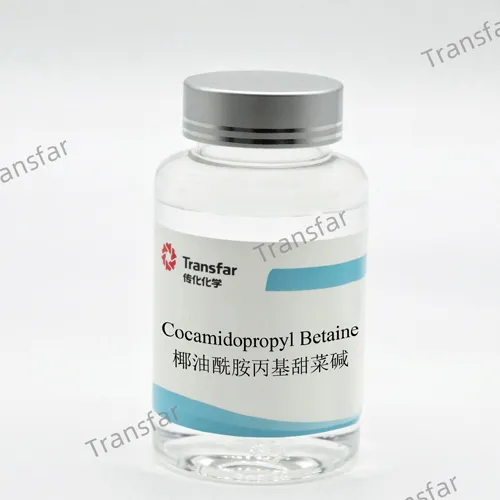
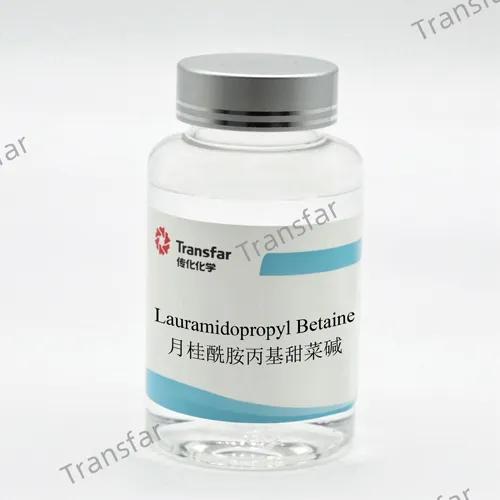
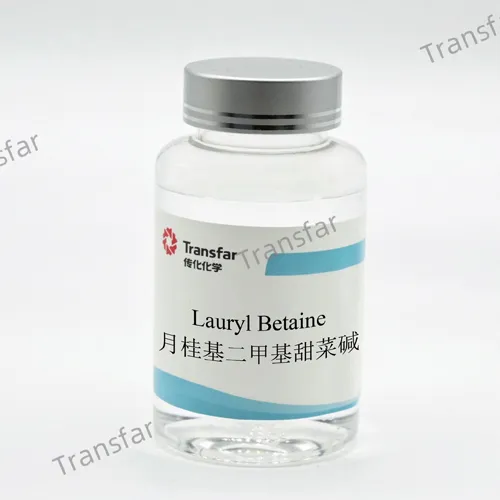
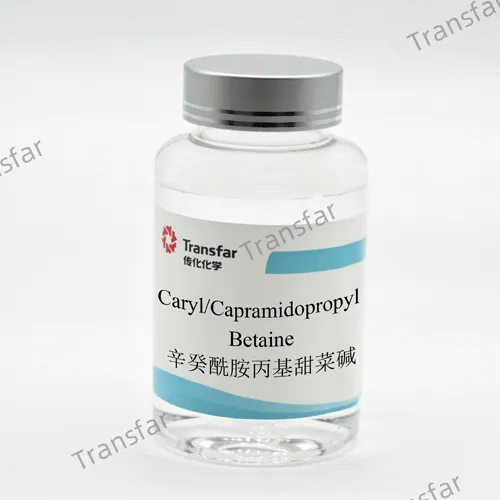
Find Other Betaine Surfactants by CAS Number
CAS NO: 68603-42-9
CAS NO: 68140-00-1
CAS NO: 37196-96-3