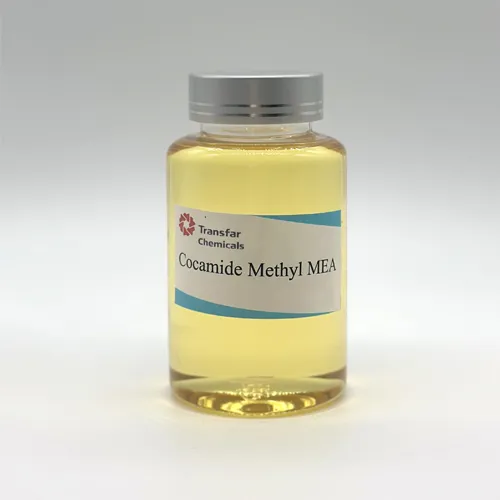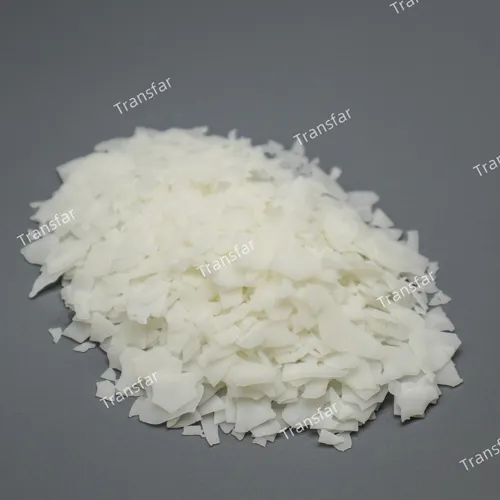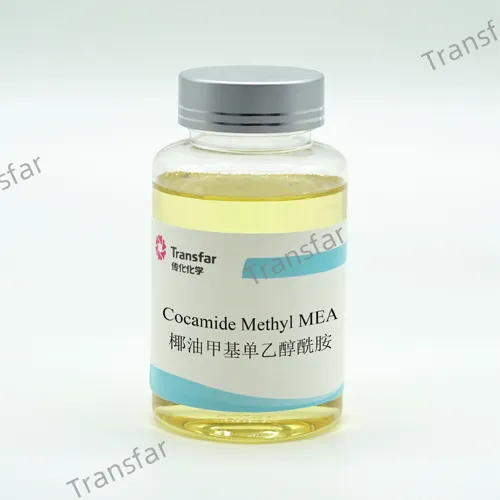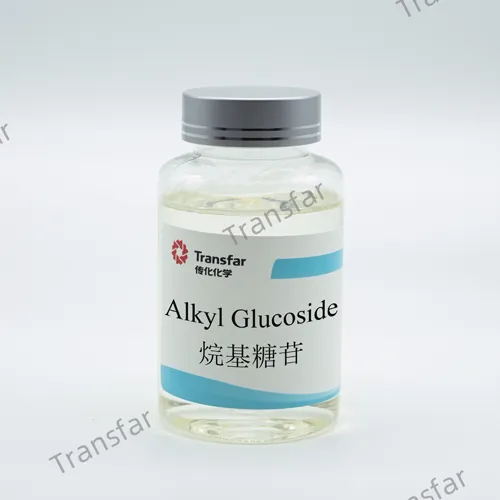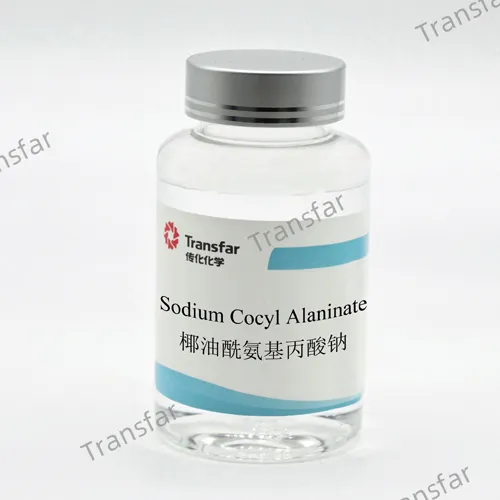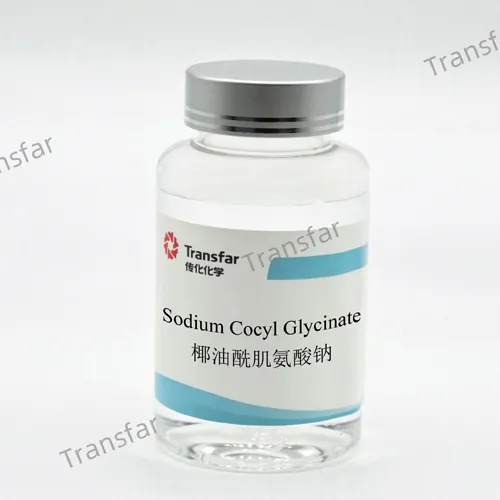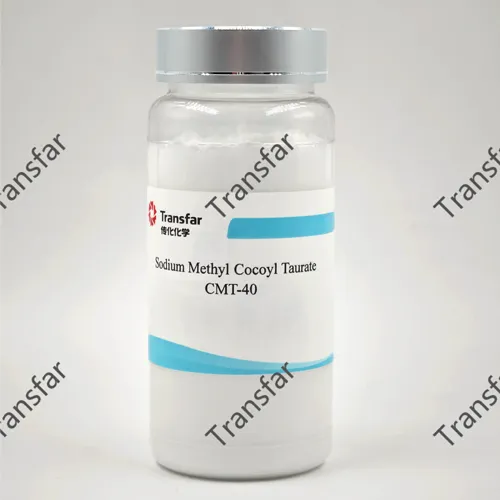
Ever launched a product that just didn't feel right? The lather was weak, the texture grainy, or the formula simply lacked that luxurious feel. We’ve been there, and the problem often isn't your vision—it's the foundation.
The key is in the chemistry behind the comfort. The right surfactant blend is the cornerstone of any successful personal care product, dictating its feel, function, and consumer appeal. At Transfar Zhilian, we provide the essential, high-quality raw materials—from gentle Alkyl Glucosides to rich foam-boosting Betaines—that transform good ideas into exceptional, market-ready formulations.
For decades, we've seen brands struggle with inconsistent ingredients that compromise their final product. This isn't just about adding a component; it's about building a reliable partnership for the very essence of your creation. Let's explore how the right chemical partnership can solve your most persistent formulation challenges.
You want products that cleanse deeply yet remain gentle. Many surfactants strip the skin, causing irritation and dryness. The market is flooded with options, but effectiveness requires a precise balance.
An effective skincare surfactant must achieve a dual purpose: efficient cleansing without compromising the skin's natural barrier. This is achieved through carefully engineered molecules, like our Amino Acid series (e.g., Sodium Lauroyl Sarcosinate), which offer mild, skin-friendly cleansing derived from natural fatty acids.
Choosing the wrong base can undermine even the most expensive active ingredients. The true measure of effectiveness lies in the molecule's behavior and its compatibility with the skin's physiology. We need to look beyond basic cleaning to holistic performance.
Understanding the Molecule's Mission
Not all surfactants work the same way. Their effectiveness is dictated by their structure. A surfactant molecule has a hydrophilic (water-loving) head and a lipophilic (oil-loving) tail. During cleansing, the tails surround oil and dirt, while the heads allow them to be rinsed away with water. The challenge is doing this aggressively enough to clean, but gently enough to preserve essential lipids.
For skincare, we prioritize surfactants with a larger, more complex head group or ones derived from natural sources. These create a softer, more voluminous foam and are less likely to penetrate and disrupt the skin's stratum corneum. For instance, our Alkyl Glucoside series is derived from glucose and coconut oil, making it exceptionally mild and biodegradable. Similarly, our Betaine series, like Cocamidopropyl Betaine, is known as an amphoteric surfactant. It is gentle on the skin and eyes and is often used to reduce the irritation potential of other, stronger surfactants in a formula, creating a harmonious and effective blend.

A product can clean perfectly, but if it doesn't feel indulgent, consumers won't repurchase. The sensory profile—the rich lather, the silky afterfeel—is what turns a utility into a ritual. This magic is engineered, not accidental.
Luxury is formulated through synergistic ingredient systems. It involves combining primary cleansers with secondary agents that modify texture and feel. Our Pearling Agent series (like Glycol Distearate) creates opacity and pearl shine, while conditioning agents like Stearamidopropyl Dimethylamine impart a smooth, soft afterfeel.
The difference between a basic and a premium product is often a few key specialty ingredients. These components don't just add function; they craft an emotion and a memorable user experience that builds brand loyalty.
Engineering the Feel: Beyond Basic Cleansing
Creating a sensory experience is a multi-step process. First, you need a stable, creamy foam. This comes from a balanced blend of primary surfactants (like our Sulfate series for rich lather) and foam boosters/stabilizers (like our Alkanolamide series, Cocamide DEA). Next, you add the sensory modifiers.
Opacity & Pearl Effect: Pearling agents like Glycol Distearate crystallize in the formula, reflecting light to create a luxurious pearlized appearance.
Viscosity & Richness: Thickeners and salt can adjust viscosity, but the surfactant system itself contributes. Certain betaines and alkanolamides naturally build viscosity, giving a product a substantial, rich body.
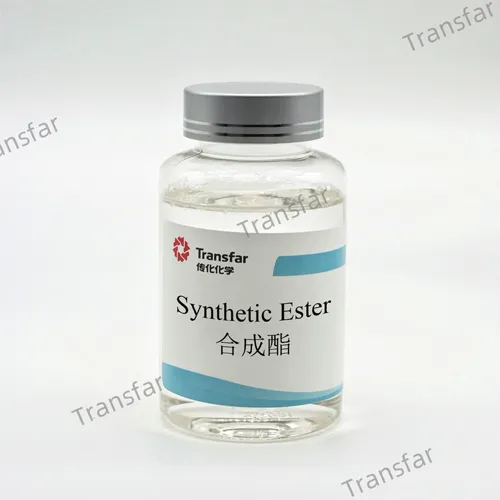
Skin & Hair Feel: This is crucial. Conditioning agents deposit a thin, lubricating layer during rinsing. Cationic polymers are common, but our Quaternary Ammonium Salt series and Stearamidopropyl Dimethylamine offer excellent conditioning and antistatic properties for hair care, leaving strands soft and manageable. In skin care, our Synthetic Ester series can provide a non-greasy, emollient slip.
The goal is to build a cohesive system where every ingredient works toward the final sensory payoff. It's a precise recipe where chemistry creates pleasure.
Imagine finalizing a perfect formula and launching a successful campaign, only to face production halts due to ingredient shortages or quality variances. Your brand's reputation hinges on more than just R&D; it depends on a rock-solid supply chain.
A reliable supply chain ensures consistent product quality and uninterrupted production, protecting your brand equity. It requires a supplier with scalable capacity, rigorous quality control, and logistical expertise to deliver the right material, on time, every time.
In today's market, volatility is the only constant. Partnering with a supplier who is merely a vendor is a risk. You need a partner who is an extension of your own operational integrity, with the scale and systems to be your dependable foundation.
Building Trust Through Operational Excellence
For over 35 years, since 1986, our commitment has been to be that reliable foundation. We understand that your production lines cannot stop. Our approach to supply chain reliability is built on three pillars.
First is scale and commitment. With an annual supply capacity of 50,000 MT and serving clients in over 100 countries, we have the infrastructure to support both growing and established brands. We treat significant partnerships with dedicated capacity planning. Second is consistent quality. As part of the Transfar Group, which includes national high-tech enterprises, we invest in advanced manufacturing and strict QC protocols. This means the Cocamide MEA you specify in month one is identical in every parameter to the shipment you receive a year later. Third is logistical certainty. We control key parts of the process, from flexible packaging options (ton barrels, drums, bags) to coordinated logistics, aiming for delivery within one week. We navigate international regulations and customs so you can focus on your brand, not freight paperwork. This operational depth transforms us from a supplier into a strategic partner you can truly depend on.
Superior personal care products are born from precise chemistry, engineered sensory design, and an unwavering reliable partnership.
Dr. Geng is a technical writer specializing in the fields of chemical engineering and surfactants, with 10 years of experience in industry research and content creation. He focuses on the niche area of surfactants and excels at translating complex technical principles into accessible content. His articles are both professional and easy to understand, helping readers efficiently acquire specialized knowledge.
Transfar Chemical's Textile Chemicals Division Holds 2024 Annual Summary and Commendation Conference and 2025 Mobilization MeetingMay 19, 2022On February 10, the 2024 Annual Summary and Commendation Conference and 2025 Mobilization Meeting of Transfar Chemical's Textile and Chemical Division was successfully held in the industrial multi...view
Are Your Industrial & Automotive Lubricants Missing the Secret to High Performance?January 16, 2026Your machinery deserves better. Synthetic esters could be the missing link in your lubricant’s performance—unlocking unmatched resilience, efficiency, and sustainability for industrial and automotiv...view
Are Your Lubricants Still Leaving Performance on the Table That Others Have Already Claimed?January 16, 2026Decades-old lubricant formulas are costing you more than you realize—wasting energy, increasing maintenance downtime, and limiting formulation flexibility. The secret to unlocking hidden performance?...view