Transfar Zhilian Co., Ltd.
AAB-35 vs CAB-35 vs LAB-35: How to Select a Betaine Surfactant

AAB-35 vs CAB-35 vs LAB-35: How to Select a Betaine Surfactant

Table of Content [Hide]

    Betaine surfactants are widely used in personal care and household cleaning formulations because they combine mild cleansing, foam enhancement, compatibility, and viscosity-supporting properties. However, products sold under similar “35” grade names do not necessarily deliver identical formulation performance.

    AAB-35, CAB-35, and LAB-35 are all amphoteric surfactants, but they are based on different hydrophobic groups. These structural differences can influence detergency, foam behavior, solubility, thickening response, and suitability for specific applications.

    The right choice should therefore be based on the complete formulation rather than the product name alone. Primary surfactants, active matter, pH, electrolyte level, fragrance, temperature, and the desired sensory profile must all be considered.


    What Are AAB-35, CAB-35 and LAB-35?

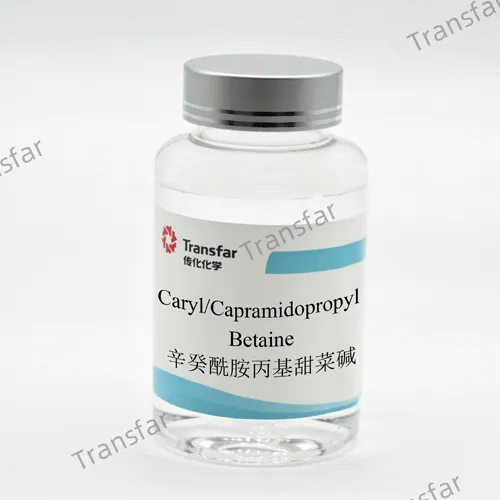
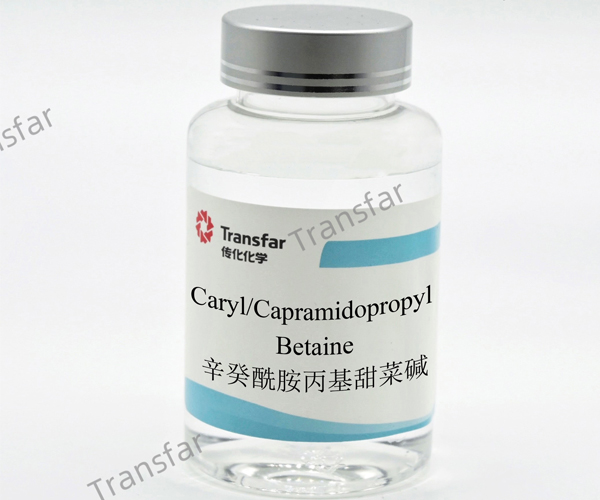
    AAB-35 is Capryl/Capramidopropyl Betaine, an amphoteric surfactant based mainly on octyl and decyl groups. It is designed for use with other surfactants and provides foamability, softness, antistatic performance, biodegradability, and low irritation.

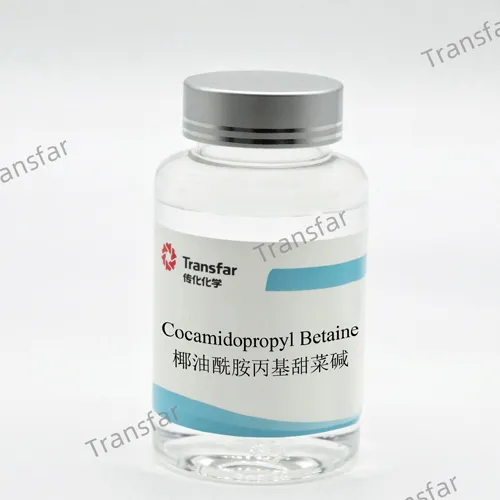
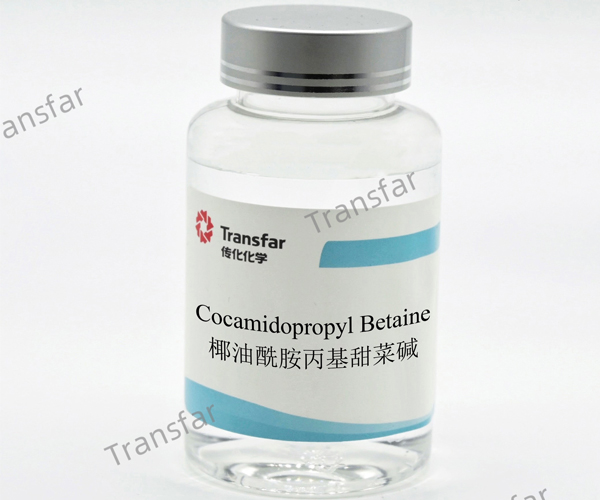
    CAB-35 is Cocamidopropyl Betaine, one of the most widely used amphoteric surfactants in shampoos, body washes, facial cleansers, liquid soaps, laundry detergents, and household cleaners. Its hydrophobic portion is derived from a cocoyl fatty-acid distribution.

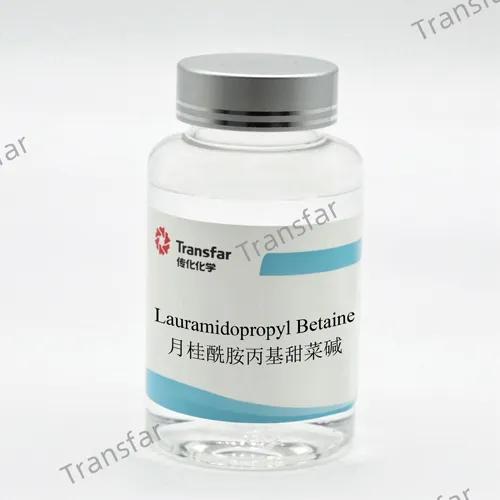
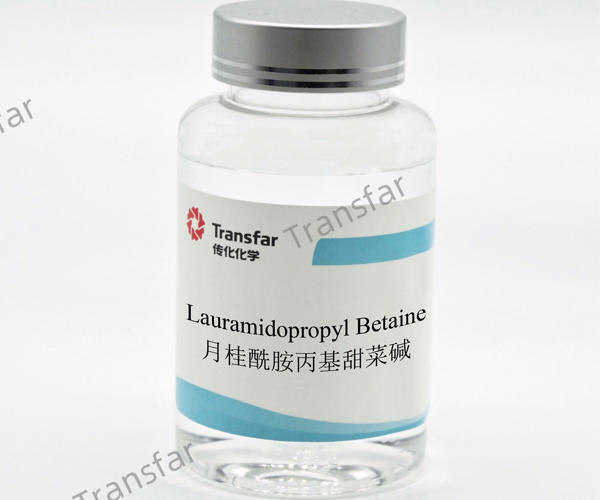
    LAB-35 is Lauramidopropyl Betaine, which uses a more defined lauroyl hydrophobic group. It offers good solubility and compatibility and can be used to improve foam, consistency, and mildness in blended surfactant systems.


    AAB-35 vs CAB-35 vs LAB-35 at a Glance

    Selection FactorAAB-35CAB-35LAB-35
    INCI NameCapryl/Capramidopropyl BetaineCocamidopropyl BetaineLauramidopropyl Betaine
    Main Hydrophobic GroupOctyl/decylMixed cocoyl chainsLauroyl
    Typical Product FormAqueous liquidAqueous liquidAqueous liquid
    Main Formulation RoleFoam, cleansing, and compatibilityGeneral-purpose foam, mildness, and viscosity supportFoam, compatibility, and consistency support
    Suitable PositioningSpecialized mild or mixed systemsBroad personal care and cleaning applicationsFormulations requiring a lauroyl-based betaine
    Selection PriorityShorter-chain performanceVersatility and established useDefined raw-material structure

    This table provides a starting point rather than a guaranteed performance ranking. Final results depend on the concentration and composition of the complete surfactant blend.


    When Should You Select AAB-35?


    AAB-35


    The keyword capramidopropyl betaine refers to part of the Capryl/Capramidopropyl Betaine INCI name used for AAB-35. Its octyl and decyl groups are shorter than the lauroyl group in LAB-35 and much of the fatty-chain distribution found in coconut-based CAB-35.

    AAB-35 may be considered when a formulation requires:

    • Good compatibility with other surfactant types

    • Effective foam development in a blended system

    • Mild cleansing and low-irritation positioning

    • Antistatic or softening support

    • A shorter-chain betaine for specialized formulations

    It can be evaluated in facial cleansers, shampoos, body washes, liquid soaps, and cleaning products. However, formulators should confirm its effect on viscosity and foam under the actual pH and electrolyte conditions used in the finished product.


    When Is CAB-35 the Most Practical Choice?


    CAB-35


    CAB 35 is generally the most versatile option among the three grades. Cocamidopropyl Betaine is widely recognized by formulators and can be incorporated into both personal care and household cleaning products.

    CAB-35 is particularly suitable when the formulation requires:

    • Compatibility with anionic and nonionic surfactants

    • Improved foam volume, creaminess, or stability

    • Reduced harshness in sulfate-containing systems

    • Viscosity enhancement in salt-responsive formulas

    • One amphoteric surfactant for several product categories

    Typical applications include shampoo, body wash, facial cleanser, hand soap, laundry detergent, and household cleaner. CAB-35 is often the logical starting point when the objective is broad formulation flexibility. It should not, however, be assumed to provide the same viscosity response in every anionic system.


    When Should You Consider LAB-35?


    LAB-35


    LAB 35 is Lauramidopropyl Betaine, with a lauroyl group as its principal hydrophobic component. Compared with a mixed cocoyl raw material, this more defined structure may be useful when tighter raw-material positioning is preferred.

    LAB-35 may be evaluated for:

    • Shampoo and body-cleansing formulations

    • Facial cleansers and liquid hand soaps

    • Laundry and household detergents

    • Surfactant blends requiring good solubility

    • Formulas in which foam and consistency need adjustment

    Its defined lauroyl basis does not automatically mean that it will outperform CAB-35. The practical difference must be confirmed through side-by-side tests using the same active surfactant level.


    How to Compare the Three Grades in a Formulation

    A reliable comparison should keep the total active surfactant content constant. Comparing equal quantities of commercial liquids can produce misleading results when their active-matter levels differ.

    A laboratory evaluation should measure:

    1. Initial and final viscosity

    2. Salt-response curve

    3. Foam height and foam stability

    4. Wetting and detergency

    5. Clarity and color

    6. Low- and high-temperature stability

    7. pH stability

    8. Fragrance and preservative compatibility

    9. Skin or eye mildness where relevant

    10. Cost per kilogram of active matter

    Formulators should also compare sodium chloride, free amine, color, odor, solids, and microbiological specifications. These parameters may affect finished-product quality even when two surfactants appear functionally similar.


    FAQ

    Are AAB-35, CAB-35 and LAB-35 Interchangeable?

    Not automatically. They are all betaine surfactants, but their hydrophobic structures differ. Any substitution should be tested at an equivalent active level.

    Which Grade Is Best for Shampoo?

    CAB-35 is a common general-purpose choice. AAB-35 or LAB-35 may also be suitable when their foam, solubility, or structural characteristics better match the formulation.

    Which Betaine Surfactant Provides the Highest Viscosity?

    There is no universal answer. Viscosity depends on the primary surfactant, betaine ratio, salt concentration, pH, fragrance, polymers, and temperature.

    Does “35” Mean Exactly 35% Active Matter?

    Not necessarily. It is commonly part of the commercial grade name. The actual active range must be confirmed in the current technical data sheet and batch certificate.

    Can These Surfactants Be Used in Sulfate-Free Formulas?

    Yes. They may be combined with glucosides, amino acid surfactants, sulfosuccinates, sarcosinates, and other sulfate-free surfactants, subject to compatibility testing.

    Conclusion

    AAB-35, CAB-35, and LAB-35 perform similar roles but should not be selected as identical ingredients. AAB-35 provides an octyl/decyl-based option, CAB-35 offers broad versatility, and LAB-35 provides a lauroyl-based structure.

    The final choice should be supported by active-matter calculations, formulation trials, stability testing, technical specifications, and cost-in-use analysis. Comparing the three grades under identical conditions allows formulators to identify the best balance of foam, mildness, viscosity, compatibility, and commercial efficiency.


    Dr. Geng
    Dr. Geng

    Dr. Geng is a technical writer specializing in the fields of chemical engineering and surfactants, with 10 years of experience in industry research and content creation. He focuses on the niche area of surfactants and excels at translating complex technical principles into accessible content. His articles are both professional and easy to understand, helping readers efficiently acquire specialized knowledge.

    References


    Recommended Transfar Surfactant Products

    Related News of Transfar Surfactant Products

    We use cookies to offer you a better browsing experience, analyze site traffic and personalize content. Part of the tracking is necessary to ensure SEO effectiveness,
    By using this site, you agree to our use of cookies. Visit our cookie policy to learn more.
    Reject Accept