
Transfar Zhilian Co., Ltd.
Alkyl Glucoside Series Alkyl Glucoside Series

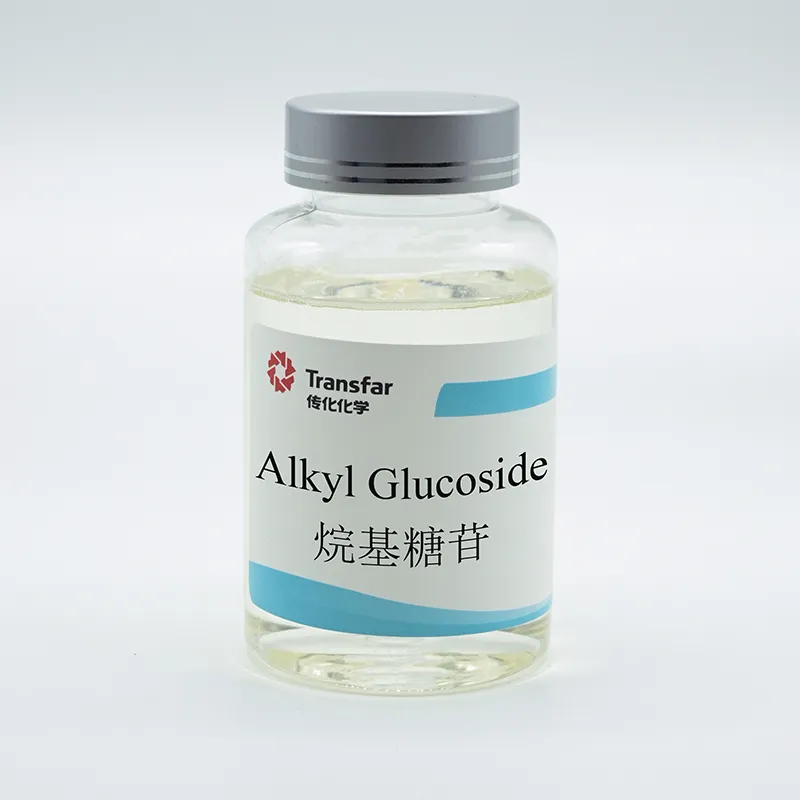
Transfar Unmatched High-Purity Alkyl Glucoside Series Surfactants

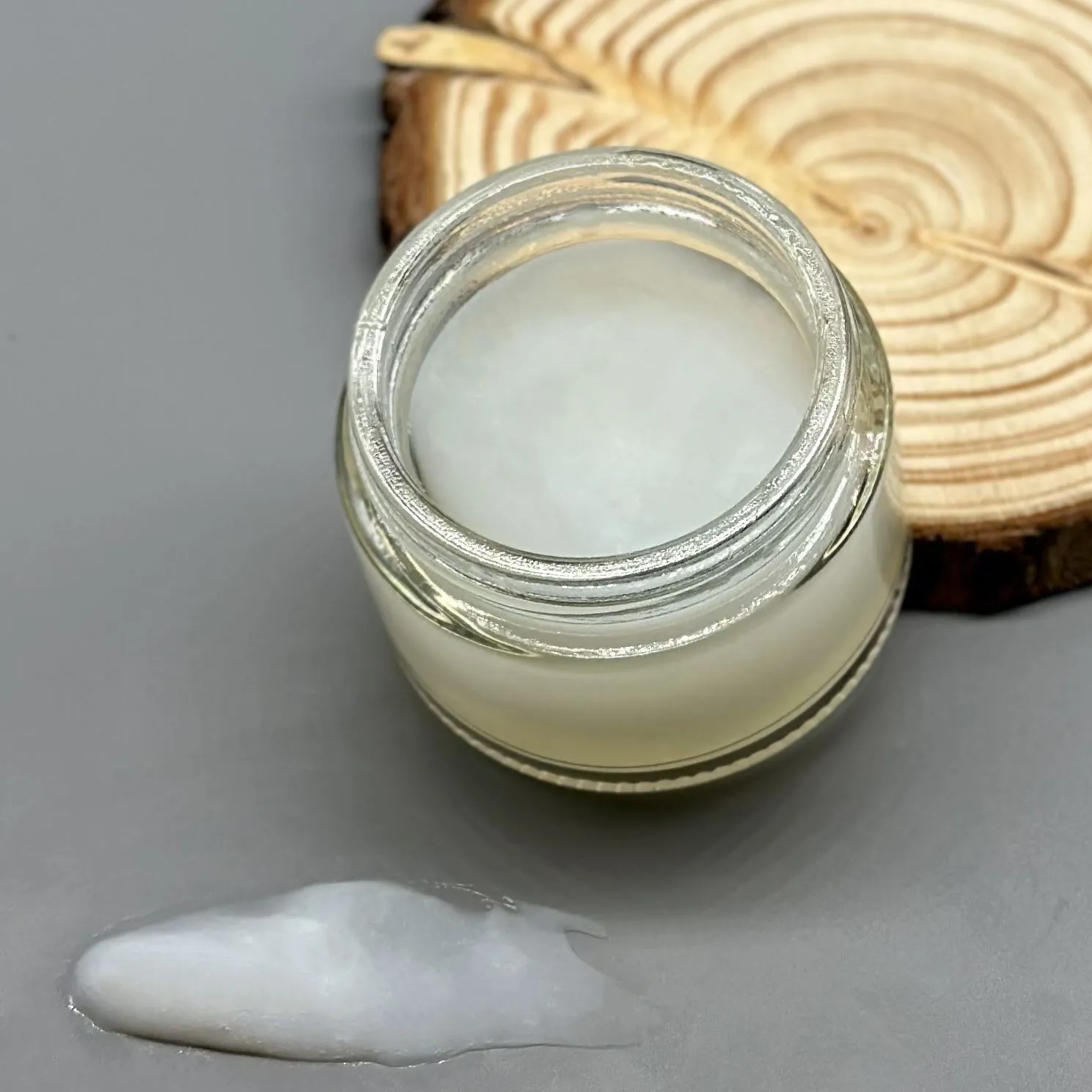
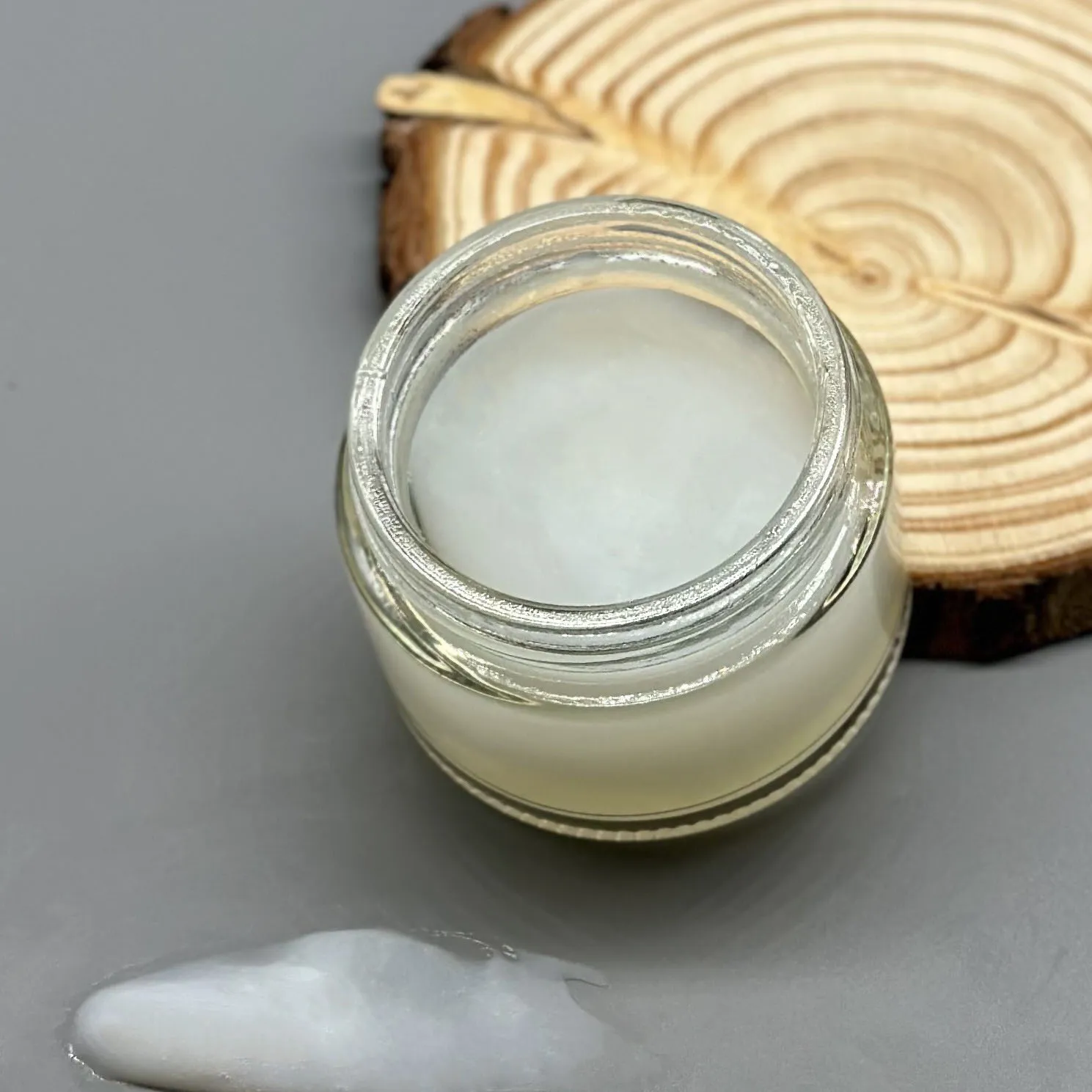
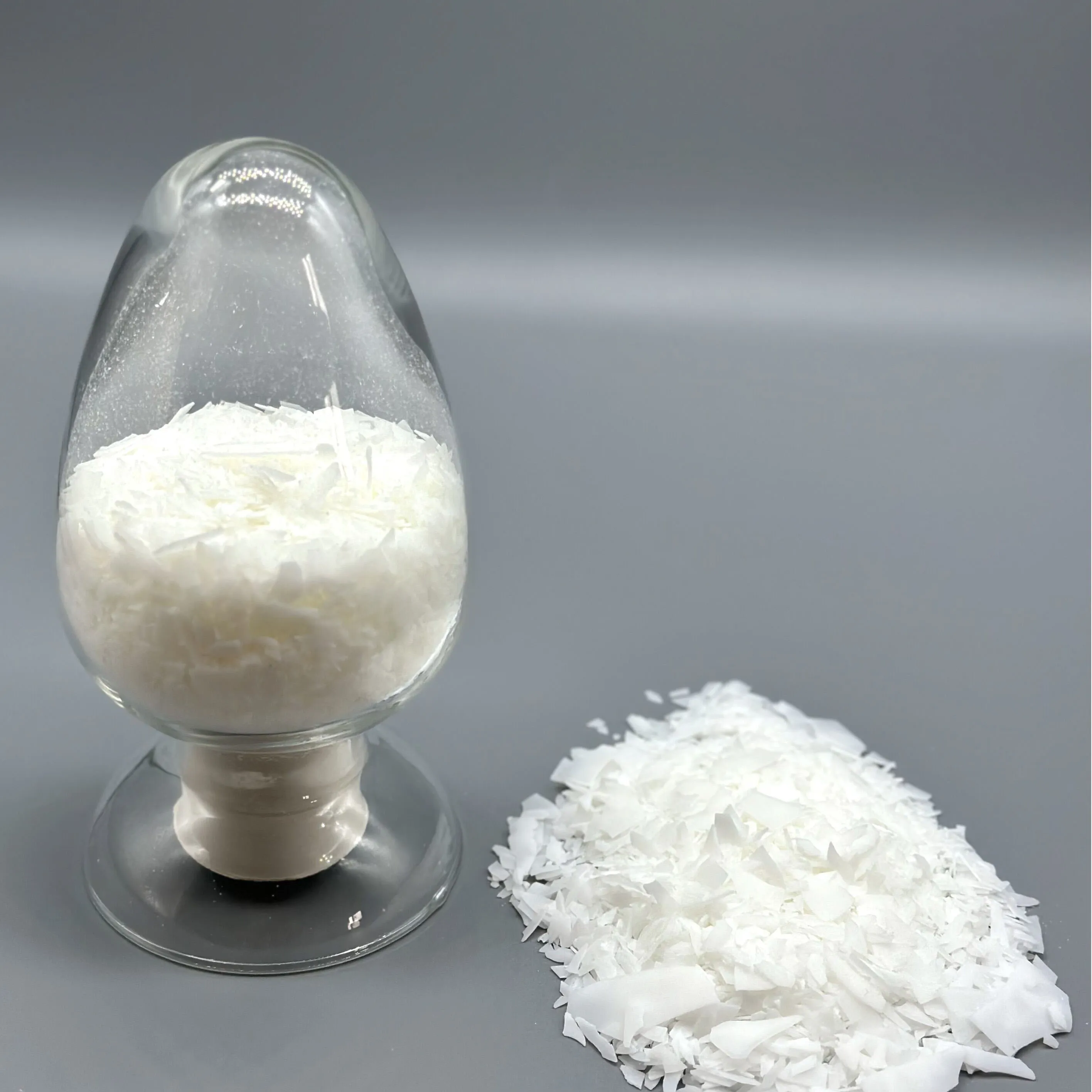
Leveraging its fine, rich foam properties, combined with its mild characteristics, excellent compatibility, and strong synergistic performance, this product is widely used in cleansing products such as shampoos, facial cleansers, hand soaps, dishwashing liquids, and children's shampoo and body washes, as well as in cosmetics and pesticide emulsification applications.

Benefits of Transfar Alkyl Glucoside Series Surfactants

01
1

Eco-Friendly Safety: High ecological safety, gentle on human skin, internationally recognized as a green surfactant.

02
2

Superior Performance: Low surface tension, strong foaming and cleansing power, excellent wetting and compatibility.

03
3

Synergistic Enhancement: Excellent synergistic effects with other surfactants, reduces irritation in cosmetic formulations.

Application Areas for Alkyl Glucoside SeriesSurfactants

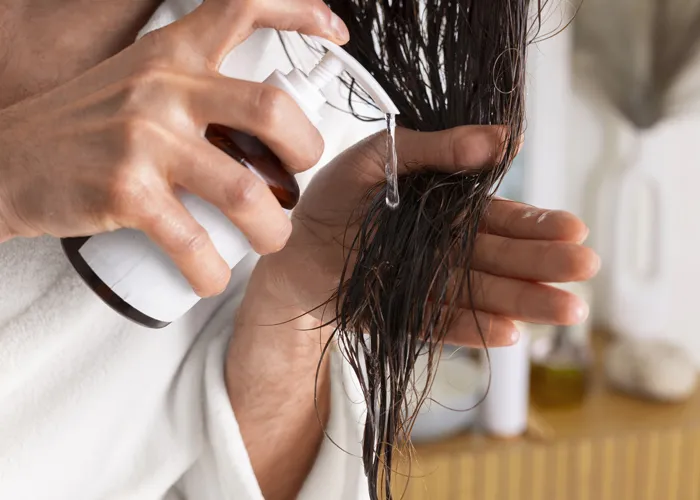
Personal Care Sector

As a core surfactant, it is widely used in personal care products such as shampoos, body washes, and facial cleansers. Its mildness, strong cleansing power, and rich lather enhance user experience. It is also applied in household cleaners like laundry detergents and dishwashing liquids, where its excellent compatibility and synergistic effects boost cleaning efficacy while maintaining environmental sustainability.

Personal Care Sector
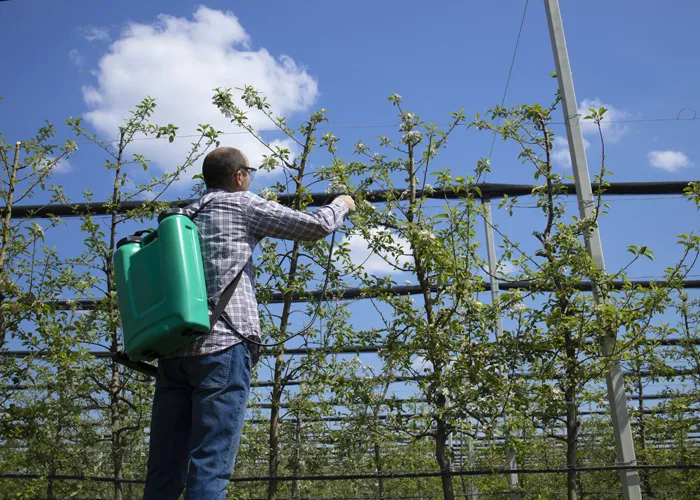
Pesticide Industry

Primarily functions as an emulsifier and dispersant for pesticides, facilitating effective dispersion of oil-soluble pesticides in water. This improves spray stability and adhesion, increasing pesticide utilization rates. It also enhances the wettability of pesticide formulations, enabling better penetration of crop surfaces and boosting pest control efficacy.

Pesticide Industry
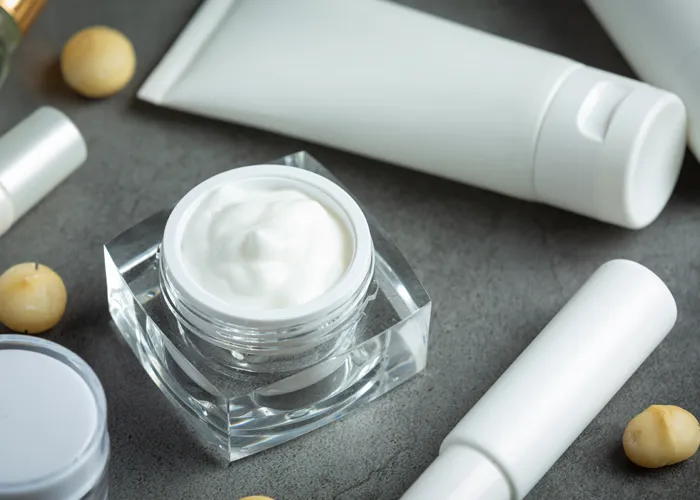
Cosmetics Sector

Suitable for formulations in creams, lotions, and makeup removers, it functions as a mild emulsifier and solubilizer, improving ingredient compatibility and enhancing product texture. Its low-irritation properties make it ideal for sensitive skin cosmetics. It also assists in boosting cleansing power and moisturizing properties, balancing functionality with safety.

Cosmetics Sector

FAQs About Transfar Alkyl Glucoside Series Surfactants

What are the core advantages of alkyl glucoside (APG) compared to traditional nonionic surfactants (such as AEO and TX-10)?

APG's most prominent advantage is its “natural, renewable raw material source.” It combines nonionic and anionic surfactant properties, offering strong yet gentle, non-irritating cleaning power. With a biodegradability rate exceeding 98%, it is fully eco-friendly. Its stability in hard water significantly outperforms AEO, producing fine, easily rinsed foam. It also synergizes effectively with all types of surfactants, addressing the pain points of traditional products—high irritation and poor degradability—making it particularly suitable for premium cleaning products.

How stable is APG across different pH environments? Can it be used in acidic or alkaline cleaning formulations?

APG exhibits exceptional acid-base stability, maintaining consistent performance across a wide pH range of 2–12. It is suitable for alkaline formulations like laundry detergents and dishwashing liquids (pH 8–11), as well as for use in fruit acid facial cleansers, acidic kitchen and bathroom cleaners (pH 3–5). It does not undergo hydrolysis or performance degradation in acidic or alkaline environments and maintains excellent emulsifying and dispersing capabilities even under extreme pH conditions, making it an ideal choice for cross-category formulation design.

Are APG's foaming properties controllable? Can it meet the differing requirements of low-foam industrial cleaning and high-foam consumer products?

APG's foaming characteristics can be flexibly adjusted through grade selection and blending: Short-chain grades (e.g., APG 0810) produce rich, dense foam. When combined with betaine, they enhance high-foam effects, making them suitable for consumer products like hand soaps and shower gels. Long-chain types (e.g., APG 1214) exhibit low foam formation and quick defoaming. When blended with defoamers, they meet low-foam requirements for metal cleaning and industrial spray washing while maintaining cleaning efficacy—no compromise on performance is needed to meet foam control needs.

Does using APG increase formulation costs? How can product quality and cost control be balanced?

While APG's per-ton price is slightly higher than traditional surfactants, formulation optimization achieves “cost reduction and efficiency gains”: Adding 10%-20% APG can replace 30%-50% of ingredients like AES and AEO. This enhances product mildness and environmental friendliness while reducing total raw material usage. Additionally, APG reduces the required amounts of solubilizers and chelating agents in formulations. Overall formulation costs increase by only 5%–8%, yet this enables product upgrades to premium lines. The resulting premium pricing far exceeds the cost increase, actually boosting profit margins.

Does APG's performance degrade in low-temperature environments? Can it be used in winter outdoor cleaning products?

APG exhibits excellent low-temperature stability with a low freezing point of -10°C. It maintains good solubility and cleaning power above 0°C. Even under winter outdoor conditions (-5°C to 5°C), it does not separate or crystallize. It can be directly used in products like antifreeze windshield washer fluid, winter laundry detergents, and outdoor equipment cleaners, addressing the low-temperature failure issues of traditional surfactants.

Contact with Transfar

Contact Information
Your Inquiries
Products
Application Areas
We use cookies to offer you a better browsing experience, analyze site traffic and personalize content. Part of the tracking is necessary to ensure SEO effectiveness,
By using this site, you agree to our use of cookies. Visit our cookie policy to learn more.
Reject Accept